
Navigation
A visible route through risk
Before reliable onboard systems, these towers acted as fixed points mariners could trust at night, in shoal water, and along difficult headlands.
History overview
Along a fog-heavy, rocky shoreline, the lights formed a practical chain of guidance that protected ships, steadied coastal routines, and helped communities grow with greater confidence by the sea.
Navigation
Before reliable onboard systems, these towers acted as fixed points mariners could trust at night, in shoal water, and along difficult headlands.
Weather
In rapidly changing conditions, distinctive light patterns and watch routines reduced uncertainty when cloud, ice, and wind erased most other landmarks.
Coastal settlement
Reliable beacons encouraged steady shipping rhythms, which in turn strengthened harbor work, supply lines, and everyday life in remote coastal communities.
Keeper stories
From midnight watch rounds to storm-bent mornings, these notes trace how keepers balanced routine, risk, and companionship along the northern coast.
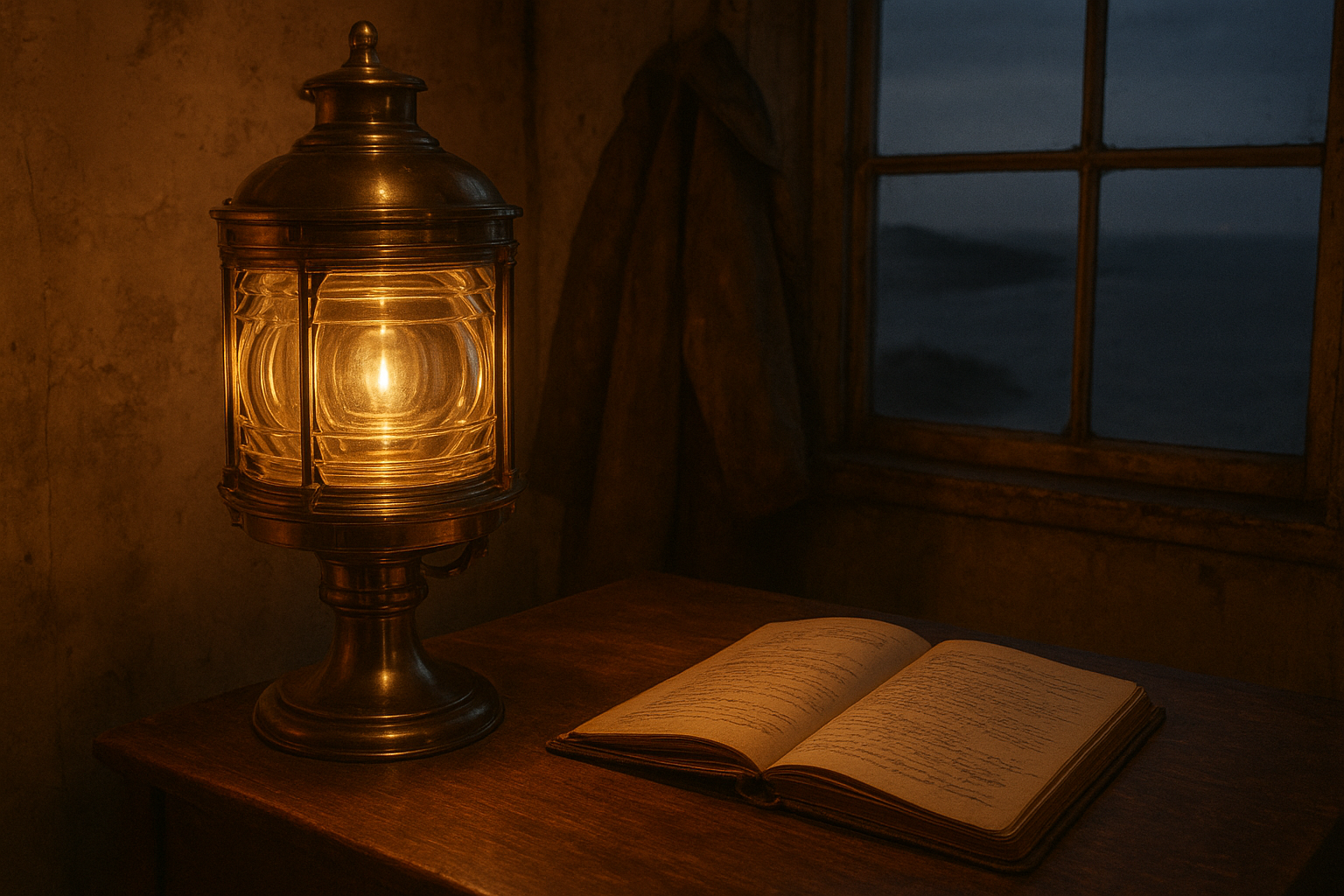
Watch duty
“At 2:10 a.m., he wound the clockwork and checked the wick trim by touch before writing a single line in the log: light steady, sea calm.”
Storm nights
“When sleet struck the lantern panes, she tied on her oilskin, climbed the iron stair, and polished salt from the glass before the next sweep of rain.”
Isolation & community
“Most weeks were quiet, but every supply boat brought letters, shared bread, and news that stitched scattered towers into one coastal neighborhood.”
History page · practical reference
Concise answers to common questions about how coastal towers are preserved, documented, and shared with the public.
Caretakers focus on regular repainting, masonry repointing, and drainage upkeep so salt, wind, and freeze-thaw cycles cause less long-term damage.
No. Some towers are open seasonally, while others remain restricted for safety, active navigation use, or habitat protection around the site.
Yes—some retain lenses, clockwork parts, or fog-signal hardware, though many pieces are stabilized in place rather than operated daily.
Typical phases include structural surveys, material matching, corrosion control, lantern-room repairs, and documented repainting based on historical schemes.
Researchers combine station logs, service reports, family letters, newspaper archives, and regional maritime collections to cross-check daily details.