
Archive photos
Browse curated coastal images, from weathered lantern rooms to fog-bound tower silhouettes.
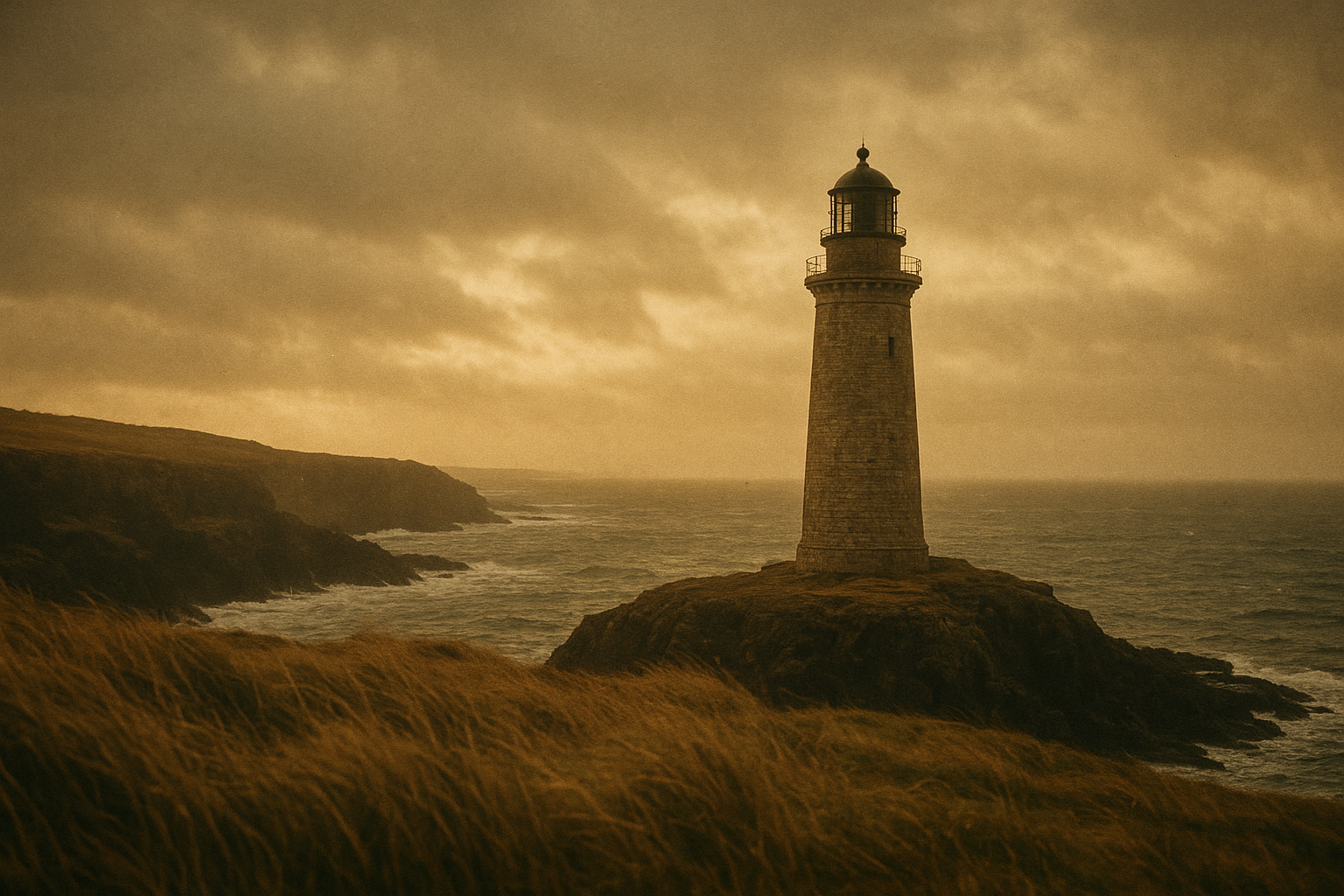
Northern Lights of the Coast
Explore preserved towers through archive photography, keeper memory, and place-based context designed for curious readers and coastal historians.
Start here
Choose a path that fits your curiosity: image-led discovery, deeper historical reading, or map-based browsing of preserved towers.
Browse curated coastal images, from weathered lantern rooms to fog-bound tower silhouettes.
Read concise accounts of routine, isolation, storms, and lives shaped by the beacon watch.
Trace surviving lighthouse sites along the northern coast through a place-first reference view.
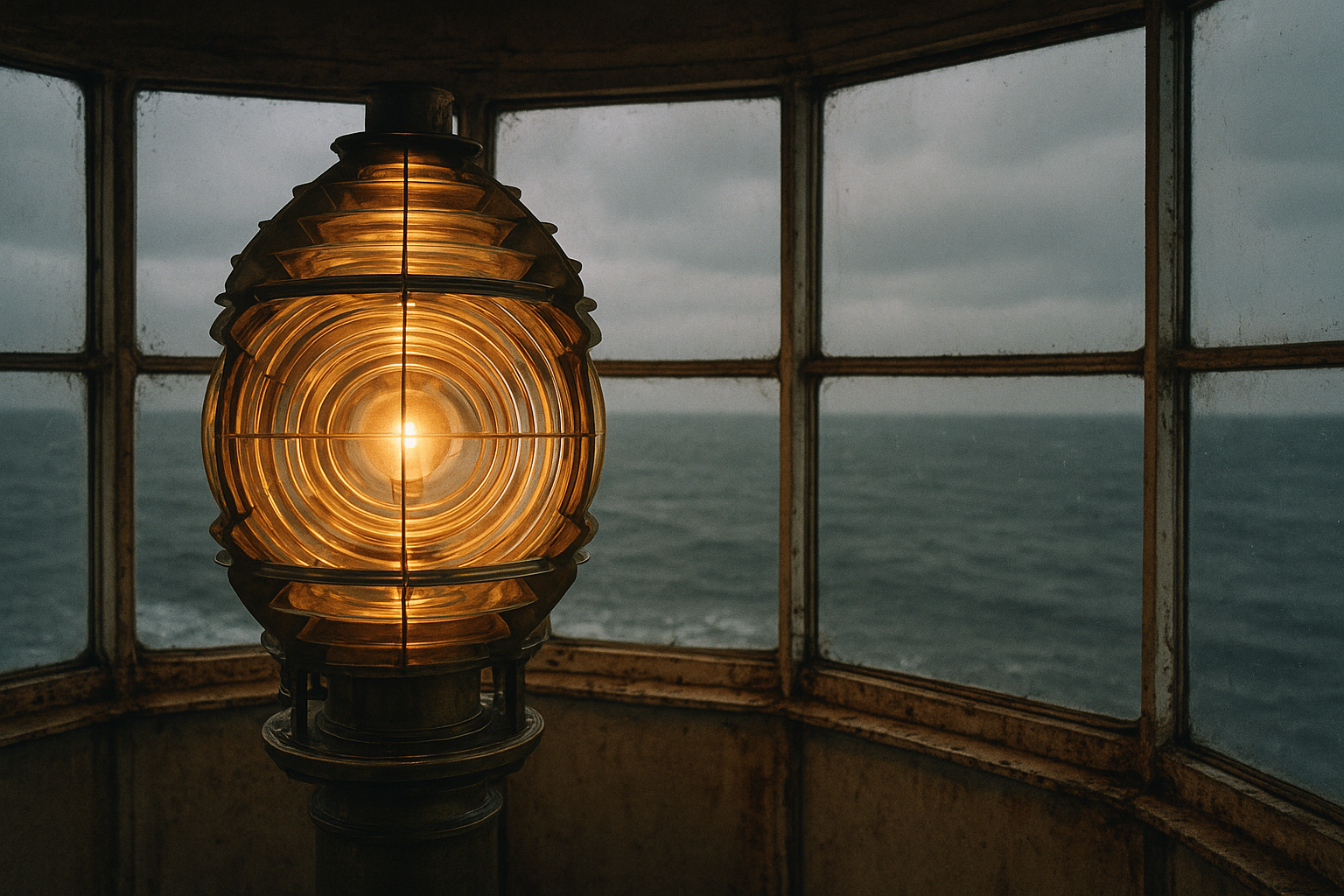
Beyond the tower silhouette, each station held a rhythm of cleaning lenses, logging winds, and holding steady through long dusk hours when the sea turned steel-gray.
Chronology
Five milestones frame the archive from early beacon building to present-day preservation.
Early coastal marking
Simple beacons and shoreline fires helped ships judge dangerous contours and changing weather.
Tower expansion
Purpose-built lighthouses spread along the coast as trade routes and harbor traffic grew busier.
Automation era
Mechanized signals reduced daily manual routines while reshaping the keeper’s role.
Preservation movement
Communities and heritage groups began restoring surviving towers as historic landmarks.
Living legacy
Preserved sites now connect coastal memory, tourism, education, and maritime history.
Follow preserved towers along the northern coast and continue into the full reference map.
A cliff-edge beacon remembered for its fog warnings and long winter watches.
A harbor approach tower preserved as one of the coast’s best-known navigation landmarks.
An exposed headland station where weather and visibility shaped every routine.
A smaller preserved light tied closely to local fishing routes and shoreline life.